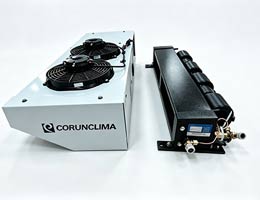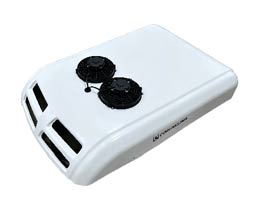
cases of all electric air conditioner
-
When it comes to creating reliable and pleasant cabin environments for minibus operations, Corunclima electric minibus air conditioner redefines what vehicle climate control can deliver. Far more than a simple cooling add-on, this rooftop-mounted electric air conditioning system brings a full upgrade to passenger and driver comfort, while addressing the long-standing pain points of conventional engine-driven air conditioning units.
-
Emergency medical services across North America operate under extreme conditions. Ambulances with spacious patient compartments often struggle to maintain consistent temperatures during rescue missions. High outdoor temperatures, long standby periods, and frequent engine idling create major challenges for EMS fleets. For EMS teams, a dependable cooling system is not merely a comfort feature — it is essential to protect patients, preserve medical supplies, and support first responders during life-saving operations.
-
When every second matters in emergency medical services, stable cabin cooling is non-negotiable for patient comfort and medical staff performance. The Corunclima T50B is a professional 5.0 kW DC electric air conditioner engineered exclusively for ambulances, medical vans and all types of emergency response vehicles, delivering consistent cooling performance to safeguard critical medical environments.
-
21-09-2026
Corunclima Minibus Air Conditioner
Corunclima minibus air conditioning system redefines mobile cooling by completely decoupling cooling performance from the vehicle engine. Built to serve the demanding needs of minibus operators, this all-electric air conditioning solution delivers reliable cooling even when the engine is switched off, bringing exceptional comfort to passengers and drivers alike during stops, waiting periods and long stationary idles.
-
Most American ambulances are equipped with generously sized patient compartments, designed to hold comprehensive medical equipment and accommodate full EMS crews during rescue and transfer tasks. While this spacious layout is critical for delivering life-saving care, it creates a major cooling challenge across hot US states.
-
As the world’s largest and most influential annual gathering for emergency medical services professionals, EMS World Expo 2026 brings together global EMS leaders, fleet managers, ambulance manufacturers and frontline medical responders to explore cutting-edge technologies that advance pre-hospital emergency care.
-
Designed to redefine onboard comfort for commercial vans, the Corunclima AC100TB is a fully direct‑current electric air conditioning solution built for modern fleet operations. Drawing power straight from the vehicle’s battery system, this unit removes reliance on the engine‑driven mechanical compressors found in traditional van cooling setups. It delivers steady, reliable cooling even when the vehicle engine is switched off, creating a comfortable interior environment for drivers, mobile work crews, and special‑purpose vehicle occupants without needing to run the motor.
-
For professional emergency medical service (EMS) fleets, qualified ambulance AC equipment must satisfy three core criteria: rapid cooling capability, long-term operational durability, and low overall running costs. These key attributes directly impact patient comfort, on-site medical efficiency, and the long-term economic operation of medical transport fleets.
-
Corunclima, a trusted global manufacturer of specialized vehicle climate control systems, is set to make a prominent appearance at EMS World Expo 2026, taking place from September 28 through October 2 in Orlando. Attendees are welcome to visit Booth 651 to get first‑hand insights into the company’s purpose‑built ambulance air‑conditioning hardware, engineered exclusively for emergency medical service fleets across worldwide markets.
-
26-08-2026
Corunclima 15,000Btu Electric Parking Cooler
Long-haul trucking across the Mexico-US border faces one of the toughest operational challenges: extreme high temperatures. The region’s scorching year-round heat makes comfortable cabin cooling a necessity rather than a luxury for drivers, while traditional engine idling brings huge fuel waste, severe engine wear and soaring fleet operational costs.